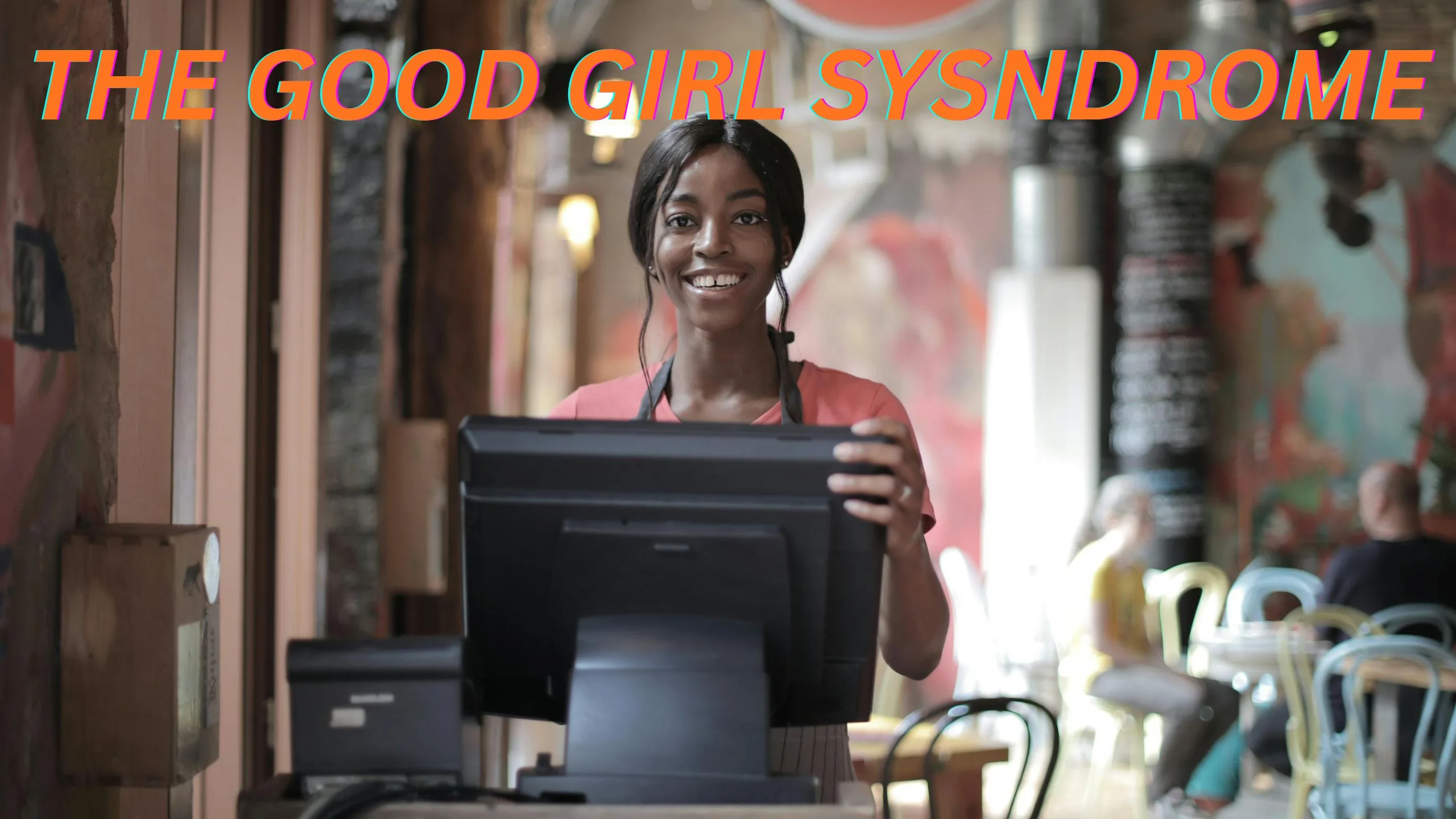
I’ve worn the “good girl” label as a badge of honor for as long as I can remember. Some will beg to differ, but I know myself, and I have grown to believe in myself way more than anyone will in me. I abided by the laws, grinned when I wanted to weep, and contorted myself into positions that made others feel at ease. In a world where the bar is constantly being raised, I attempted to be flawless, apologized for things that weren’t my fault, and answered yes out of exhaustion. At first, it was modest: compliments from educators for being “so well-behaved” and nods of approval from family members for being “such a nice young lady.” Although those words were comforting, they sowed the seeds for a lifelong habit of trying to please others that I was unaware of.
The “Good Girl Syndrome” is not an official diagnosis, but it may as well be. It’s that unspoken expectation that you’ll be friendly, selfless, and always willing to help. Regardless of our emotions, we are told to be courteous, maintain the peace, and put the needs of others ahead of our own. Under the good girl umbrella, we are taught a version of kindness and compassion that is not about love but about control. It shows us that our value is determined by the amount of room we take up and the amount we give away.
When I became aware of how weary I was, tired of not speaking out, tired of agreeing when resentment was growing slowly within me, I started seeing the cracks. I’d think back to conversations, asking myself why I hadn’t said something or established limits. At some point, the weight of the mask outweighed the acceptance it had gotten. The truth is that being the “good girl” may be lonely. The majority of the individuals around you appreciate the version of you that never disagrees, but hardly anyone knows the actual you.
It has been both liberating and chaotic to unpack. I had to ask myself some challenging questions: Whose voice am I silencing when I keep saying yes? What if I let someone down and prioritize myself? I gradually started engaging in small acts of defiance, such as sharing an opinion, saying no without providing excessive justification, and waiting until I had the mental fortitude to respond to a text. Even if it wasn’t the most common viewpoint, and this is what I discovered: When you quit performing, the planet doesn’t come to an end. Those who genuinely love you want the complete, unadulterated you; they don’t require the diluted version.
It’s not necessary to be cruel or negligent to break out of the nice girl stereotype. It entails recognizing that your voice, demands, and aspirations are just as valid as anybody else’s. This implies valuing oneself over seeking constant validation. I’m learning to value the times when I opt for authenticity over applause these days. I still care a lot, but I no longer see silence as a sign of goodness. Unpackaging the Good Girl Syndrome is a daily choice to be yourself, even when it seems like a risk. Even though it’s not always simple, it’s a freedom I wouldn’t give up for anything. The reality is that “goodness” is about being true to who you were always meant to be, not about pleasing everyone else.
Post Disclaimer
Utilizing my own personal experiences as well as my background as a Registered Nurse, I share my enthusiasm for travel and health on this blog. Though I love what I do and sometimes talk about tactics for modest health improvement, keep in mind that the material provided might not be exact. The material herein is just for self-improvement. The content shared draws on my own experiences, thoughts, and stories. With this in mind, readers should consult their healthcare providers about any concerns they may experience.
Since each person has a different health path, what helps one person may not help another. Readers should consult their personal healthcare providers for personalized guidance based on their individual needs and circumstances. Rather than replacing the professional, my goal here is to inspire, enlighten, and start conversations that improve and make life more fulfilling relations between you and your medical staff.